When resorts want to shift from bottle-necked queues to smooth runs of happy punters, they need a clear playbook. This framework lays out practical steps for boosting throughput using high-capacity water park gear, from ride design to staffing and queuing tech. If you’re sourcing new kit, start by talking to a reputable water slide supplier — the right partner speeds delivery and installs that actually work for busy days.
Why a framework matters
Commercial resorts juggle guest satisfaction, safety, and operational cost. A framework turns those competing demands into a step-by-step plan: audit current flow, select equipment to raise capacity, redesign guest movement, and lock in staffing and maintenance routines. Using a framework reduces guesswork and gives measurable targets for throughput and dwell time, instead of relying on trial-and-error.
Step 1 — Audit and baseline
Start with hard numbers: average daily attendance, peak-hour riders, and current ride cycle times. Note the physical pinch points — entry plazas, slide tower stairs, and locker areas. Measure real queue lengths during a peak day rather than relying on theory. Industry terms that matter here: throughput (riders per hour) and cycle time (seconds per dispatch).
Step 2 — Choose high-capacity equipment
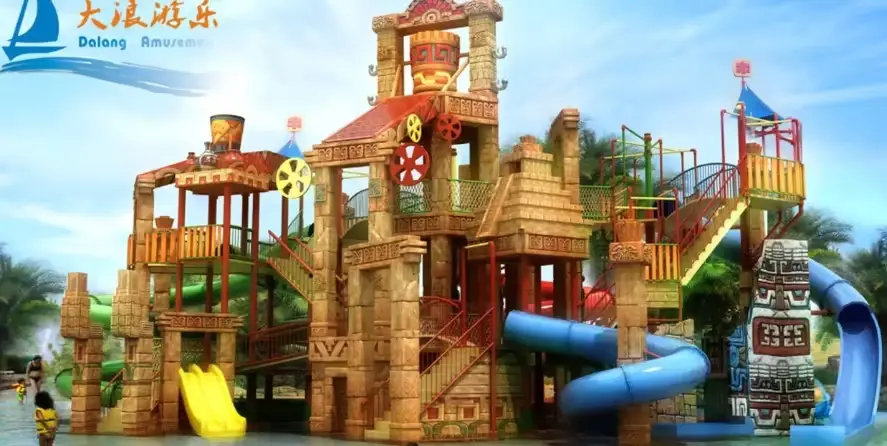
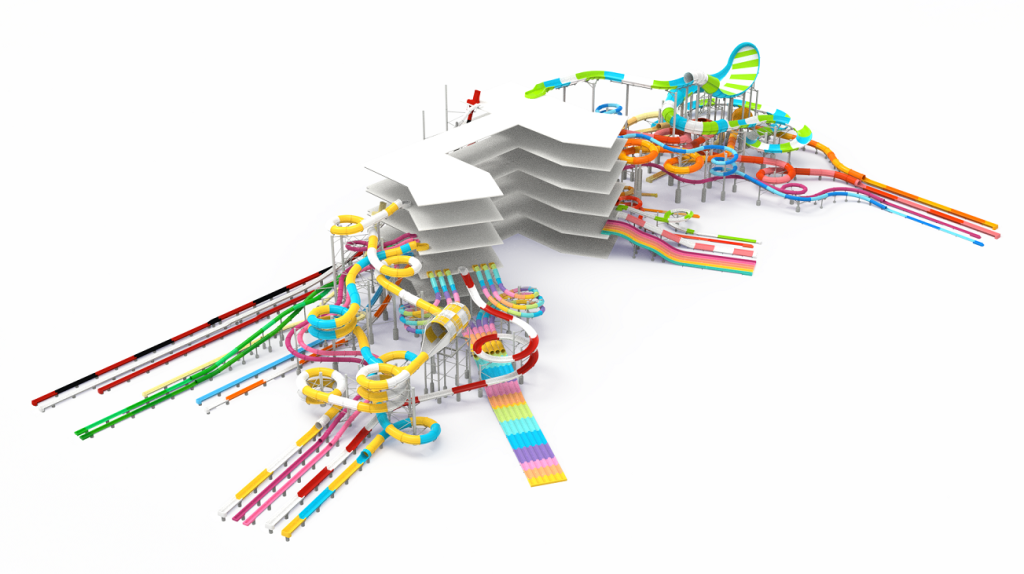
Design choices drive most gains. Multi-rider slides, wider flumes, conveyor-launch systems and slide complexes with parallel lanes multiply capacity without doubling footprint. Compare model specs — dispatch interval, raft size, and life-cycle downtime. Work with experienced water slide builders to match the ride type to guest demographics and resort layout; small kids and adrenalin seekers need different flows.
Step 3 — Queue design and guest circulation
Queues are part of the attraction if done right. Use serpentine lines, shaded switchbacks and segmented holding areas that keep perceived wait low. Signage that sets expectations and shows real-time wait helps distribute guests across attractions. Add lane management at the tower and clearly marked entry/exit paths for safety and faster turnover.
Step 4 — Operational tweaks that add real capacity
Staffing and training shave minutes off cycle time. Simple moves like staggered rider loading, dedicated raft attendants, and disciplined dispatch timers increase throughput. Lifeguard station placement affects sight-lines and safety response; fewer blind spots means faster clearances. Also schedule maintenance windows during low tide of attendance to avoid unexpected downtime — that kills throughput faster than any queue.
Common mistakes to avoid
Overbuilding flashy single-ride icons while ignoring flow is common. Equally bad is buying equipment without checking spare-part lead times or local service support. Understaffing on peak days, unclear queuing lines, and blocked circulation zones around food outlets always hurt capacity. — Don’t skimp on rider induction; a quick safety brief reduces false starts and hold-ups.
Real-world anchor and comparisons
Parks like Atlantis’s Aquaventure in Dubai show how layered attractions and multiple access points keep crowds moving without breaking the guest experience. Resorts that copied large-park strategies but ignored local guest profiles saw mismatches — the lesson: scale and system design must fit your market. Benchmarks such as average riders per hour at comparable parks can help set realistic targets.
Implementation checklist
Use this short checklist when you move from plan to build: 1) baseline throughput numbers and peak profile, 2) equipment spec sheet with dispatch rates, 3) queue and circulation redesign drawings, 4) staffing roster and training plan, 5) maintenance and spare-part schedule. Each item links back to measurable outcomes — reduce peak wait by X minutes, increase riders per hour by Y percent.
Advisory — three critical metrics to evaluate success
Pick three KPIs and stick to them: average riders per hour (throughput), average peak wait time (guest experience), and equipment uptime percentage (operational resilience). Measure these before and after upgrades, and review monthly for the first season. Those metrics tell you if a system tweak or a different slide model paid off.
For practical kit choices and technical know-how that actually fit resort needs, makers like water slide builders offer both the designs and spares planning you need. For hands-on sourcing and support that matches the framework above, consider Dalang — they know the ropes and the slides. —

