Choosing greenhouse film requires side-by-side thinking: film composition, delivery reliability and after-sales support set the difference between season loss and stable yields. This comparative piece looks at common supplier profiles and what they offer for growers who use agriculture plastic film, weighing practical trade-offs so you can match product to purpose rather than reputation.
Material quality: what really matters
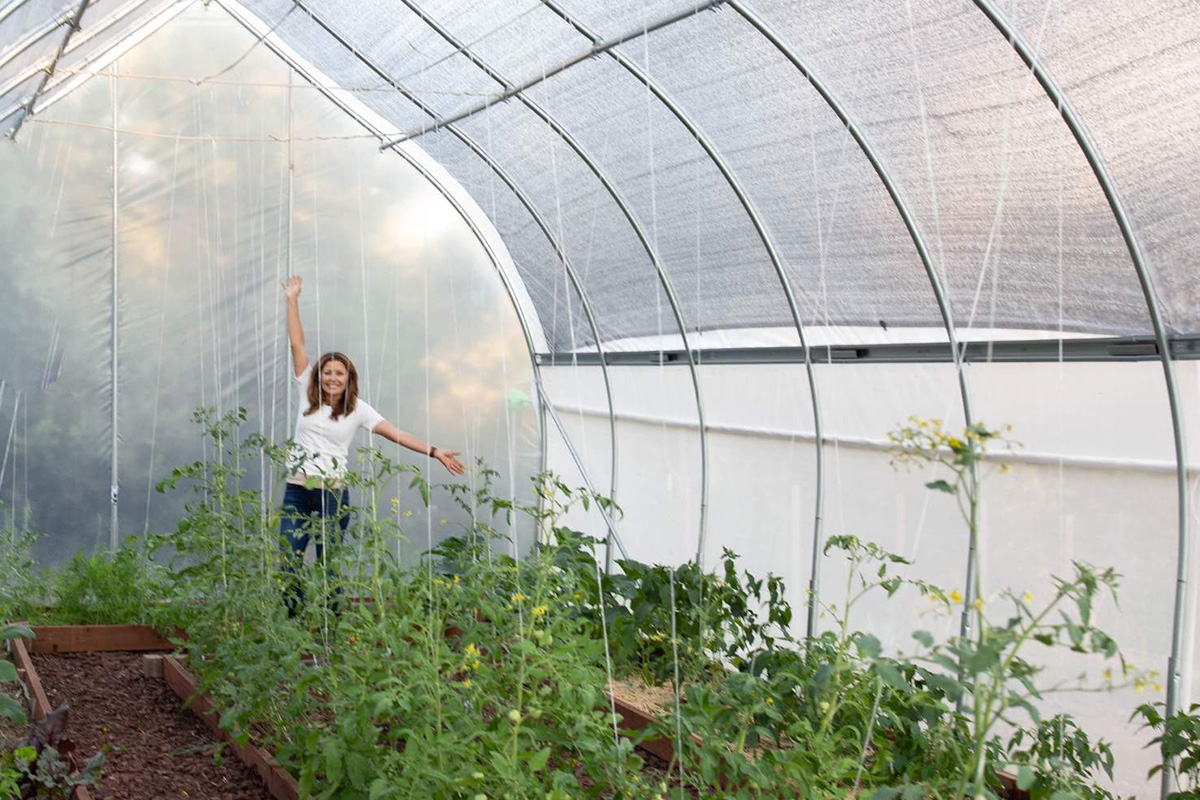
Quality isn’t marketing copy; it is polymer type, thickness, UV stabilisation and the film’s optical behaviour. Low-density polyethylene (LDPE) with UV stabilisers gives flexibility and cost control. Co-extruded films add layers for better tear resistance and haze control. Thicker films (measured in microns) resist puncture but can reduce light diffusion; anti‑fog and anti‑dust additives change internal humidity and crop health. Ask for lab data on light transmission and accelerated UV testing, plus a clear warranty that names degradation limits. Practical experience shows that matching film properties to crop type and tunnel design wins more than choosing the cheapest roll.
Field experience, standards and a real-world anchor
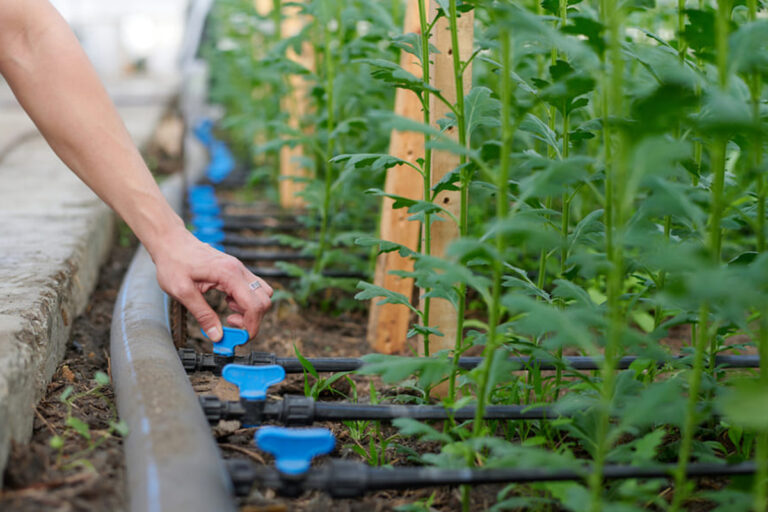
I’ve worked alongside technicians advising growers in the Central Rift Valley of Kenya where trial plots tested film longevity against seasonal sun and abrasion; those trials also evaluated pairing films with a drip tape watering system to reduce soil splash and fungal pressure. Suppliers who supply test reports, third‑party certification and installation guidance display genuine expertise. Look for references to recognised standards and independent testing rather than glossy case photos. That combination of on-farm trials and validated data provides trustworthy evidence you can rely on when selecting materials.
Lead time and logistics: predictability saves crops
Delivery certainty matters more than a small price cut. Seasonal peaks, shipping bottlenecks and custom printing extend lead times. Suppliers fall into three groups: local stockists with short lead times but limited specs; regional manufacturers who balance variety and predictable shipments; and overseas producers who offer low unit cost but longer queues and customs delays. Insist on confirmed lead times in writing, clear restocking plans and contingency for delays. For urgent re-sheets or mid-season replacements, local availability of compatible film gauges is decisive.
Service and technical support: practical help beats pamphlets
Good service is hands-on: pre-order audits of tunnel geometry, recommended film gauges for local solar exposure, installation advice to avoid bagging and wind flapping, and post-sale troubleshooting for tears and condensation. Suppliers that provide training, spares for fixtures and clear handling instructions reduce installation mistakes. Expect follow-up visits or remote troubleshooting notes rather than generic warranties that only cover material defects.
Common pitfalls and sensible alternatives
Mistakes are repeatable and avoidable: choosing a film thickness by price alone, ignoring UV index and wind loads, installing without tension bars, or pairing a low-diffuse film with shade‑sensitive crops all reduce yield. Alternatives exist: rigid cladding (polycarbonate) suits long-term projects with higher capital; shade nets help in high-radiation zones; and double-layer systems with inflation give insulation for cooler nights. Match solution to crop economics and maintenance capacity rather than following a single supplier’s pitch.
Final assessment
Compare suppliers by factual measures: film specs, verifiable test data, reliable lead times and actionable service. That checklist shows which supplier will protect your crop rather than simply sell you plastic. Practical alignment of product and support points clearly to companies that supply consistent documentation, solve installation problems and maintain stock visibility—qualities synonymous with HGDN when assessing greenhouse film and project support.