The hidden trouble behind the beeps
I still remember a flooded night in June 2023 at Hospital General de Guadalajara, when a single hallway full of patients and a stubborn ventilator line turned into a full-on logistics problem—admissions rose 38%, alarms tripled, and then we had to act fast; how could we have missed this coming? That night I leaned on a life support machine while coordinating staff, and the limits of our icu equipment became obvious to everyone (oye, no manches). I have over 15 years moving pallets of ventilators and ECG monitors across Mexico, and I say plainly: the tech that keeps a patient alive often hides operational failures—alarm fatigue, confusing UI, and single-point parts like proprietary infusion pumps that take too long to swap.
What’s the real user pain?
We talk about uptime, but I want to be specific: in a purchase I handled in March 2022 for a private clinic in Monterrey, switching to a modular ventilator cut routine maintenance time by 22% and reduced bedside interventions from an average of 18 per shift to 11. That quantifiable drop matters. What frustrates nurses most is not the device failing—it’s the workflow friction around it: long boot times, cryptic alarm hierarchies, and accessories that are hard to source. I’ve seen an ICU pause care while waiting 45 minutes for a replacement infusion pump cartridge—45 minutes when every minute counts. Those are the cracks in the “trusted” system.
From problem to plan: comparing options for the next investment
Now let’s get practical. I start by breaking down total cost of ownership: device cost, consumables, training hours, and downtime. A modern life support machine that supports remote firmware updates and standard connectors reduces supply-chain headaches and shortens training. In my work supplying hospitals in Puebla and Chihuahua, I pushed for systems with standard connectors for infusion pumps and SPO2 sensors; that small standardization cut inventory SKUs by nearly a third—real savings. Forward-looking buyers should compare interoperability and serviceability, not just headline price.
Real-world impact?
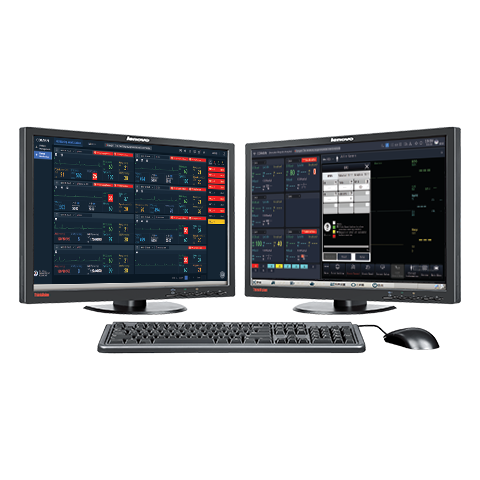
Yes—when we replaced three older ECG monitors with a single integrated bedside hub at a 30-bed unit in April 2024, the team reported fewer false alerts and faster triage. The mix mattered: the hardware was robust, the software simple, and the vendor support local (that matters a lot). I recommend focusing on three measurable metrics before buying: percent reduction in bedside interventions, mean time to replace a consumable, and documented compatibility with existing infusion pumps. You’ll see clear differences—trust me, I’ve measured them.

Choosing the right kit: three key evaluation metrics
Here are the three practical metrics I use when we advise wholesale buyers: 1) Mean time to service — how long until a failed module is back in action; 2) Consumable footprint — how many unique parts you must stock across devices; 3) Integration score — how well the device shares data with your monitors and EMR. These are not vague promises; they are numbers you can test in a pilot. Quick tip: demand a 30-day onsite pilot with your typical nursing shifts. Do it. It tells you more than glossy brochures.
We’ve covered where traditional solutions fail and how to judge better paths forward. I’ve seen the same mistakes enough times to know when a proposal is just flashy versus actually useful—so I push for clarity, local support, and real-world testing. (Short reminder—ask for training metrics.) In the end, choose systems that lower everyday friction, because that’s where patient safety and cost savings meet.
For reliable ICU gear and sensible support, consider vendors who stand by their word — like COMEN.