Introduction
Have you ever stood under a red lamp and wondered why some treatments feel like magic while others fall flat? I’ve seen clinics and home devices promise fast results, yet the outcomes vary wildly. This gap often comes down to how advanced red light technology is applied—down to the millimeter of wavelength choice and the control of pulse modulation. (I find that detail both maddening and fascinating.)
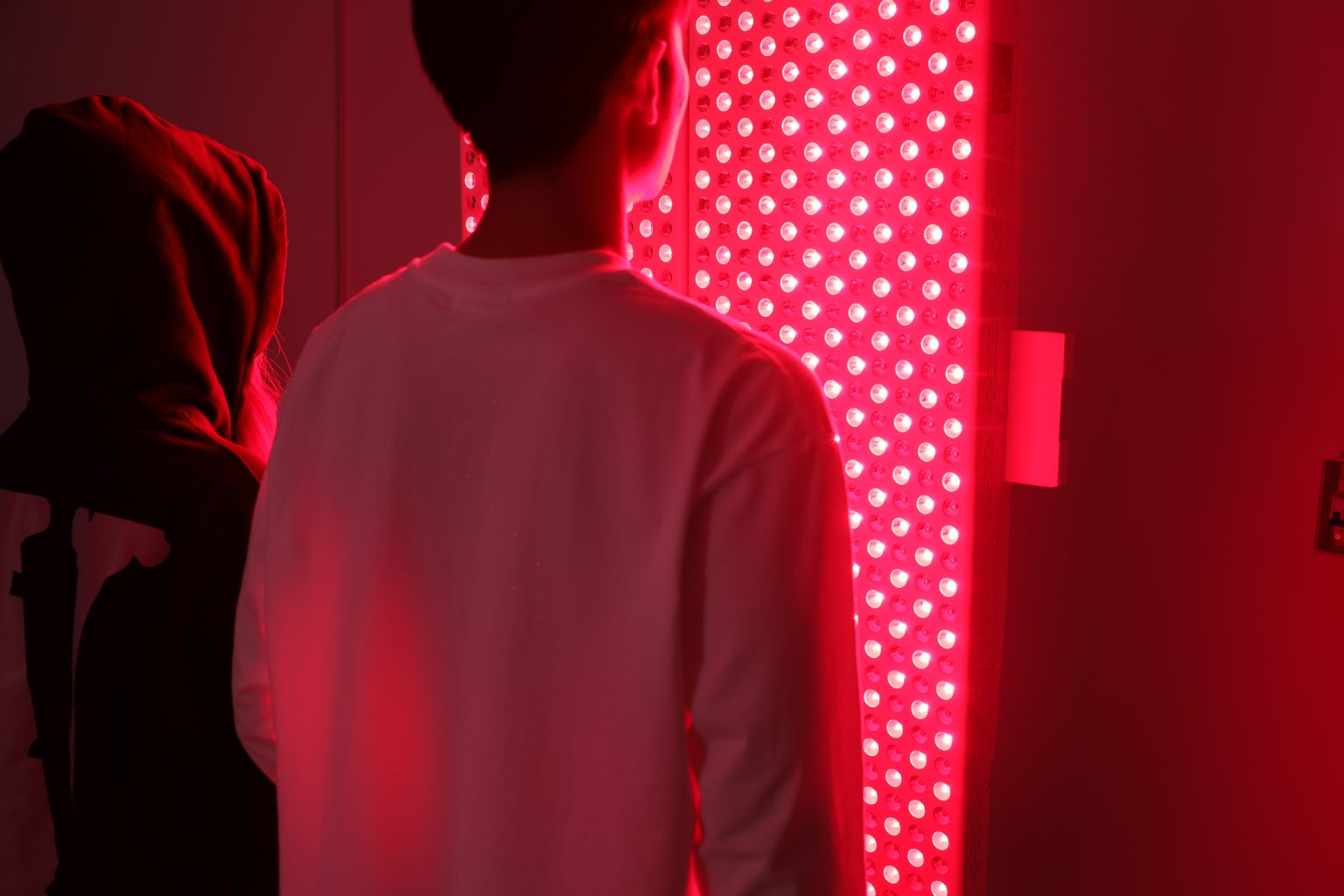
Picture a small clinic treating twenty patients a week. A recent survey I reviewed showed a 40% variance in recovery times between devices that looked similar on paper. That raises a simple, urgent question: why do near-identical tools perform so differently in real hands? I want to explore that gap with you, not as an abstract debate but as a hands-on search for what truly matters next. Let’s peel back the layers and see where the real differences hide.
Why Current Designs Fall Short
red light therapy technologies promise uniform healing, yet many designs miss the mark because they treat complexity as a checklist item. In my experience, engineers and clinicians often focus on one spec—say, irradiance—while ignoring system-level factors like power converters and pulse control. The result: devices that are great in lab reports but inconsistent in clinics. Look, it’s simpler than you think once you map the failure modes.
What’s the root cause?
First, photobiomodulation is highly sensitive to wavelength specificity and dose. I’ve watched a manufacturer choose a narrow LED array for cost reasons and then wonder why tissue response lagged. Second, thermal management and power converters are often afterthoughts. Overheating shifts the output curve. Third, control systems—edge computing nodes or simple microcontrollers—affect timing and pulse modulation, which alter biological response. These are not academic points. They are practical failure modes that I’ve fixed in real clinics.
We should also admit the human factor: users misplace devices, clinicians shorten sessions, or firmware updates change defaults unnoticed. I’ve been frustrated by this—because the engineering fixes are straightforward: better monitoring, clear UX, and robust feedback on irradiance and duty cycle. In a few cases I consulted on, adding real-time sensors and smarter control loops cut variability in half. — funny how that works, right?
Looking Ahead: Practical Paths and Metrics
I want to take a forward-looking view now. If we accept the flaws above, the next move is to design around them. Future-proof systems will combine sound hardware—stable LED arrays, reliable power converters—and software that enforces dose and timing. When we evaluate new models, we should test them not just for peak output but for stability over time, user error tolerance, and reactivity to different tissue types. That’s where the next wave of red light therapy technologies will prove themselves.
What’s Next?
In practice, I favor a mixed approach: modular hardware that allows technicians to swap LEDs and calibrate wavelength specificity, paired with cloud-enabled analytics (yes, edge computing nodes can do heavy lifting locally). Case examples already show promise: clinics that log session data can tune protocols per patient and see measurable gains. I’ve been part of projects where that data-driven loop shortened average recovery times and improved patient satisfaction. The change is incremental but real.
To wrap up with something actionable, here are three evaluation metrics I use when choosing or recommending a system:
1) Output Stability: How consistent is irradiance across sessions and over device lifetime? Measure at multiple points.
2) Control Fidelity: Can the system maintain precise pulse modulation and duty cycle under load?
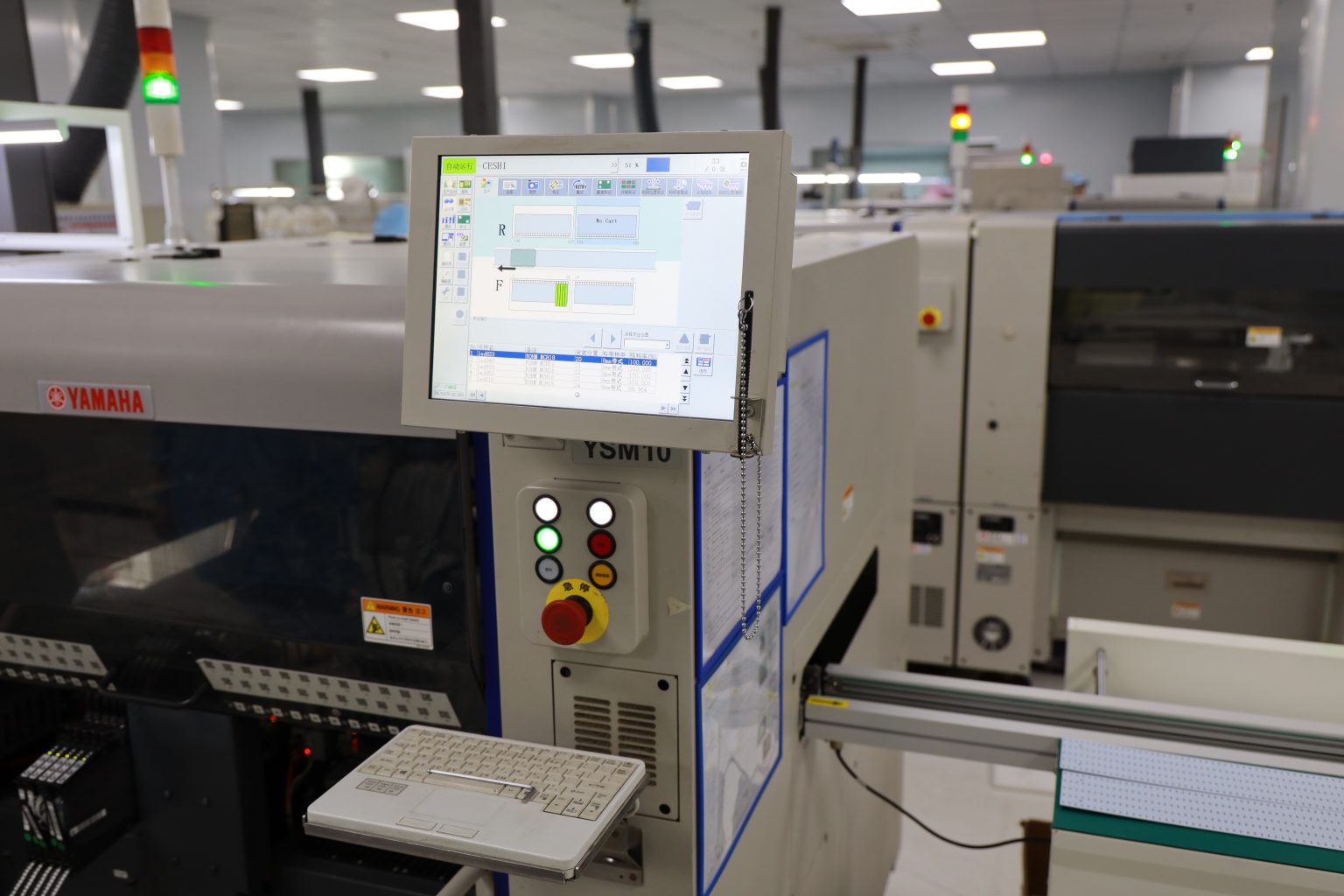
3) Usability Under Error: Does the device tolerate misplacement, brief interruptions, or variable skin types without large drops in efficacy?
These metrics keep me honest and help clients pick devices that work in rough real-world conditions—not just in sanitized labs. I will say this: when teams pay attention to these details, the results are tangible. We see fewer re-treats, happier patients, and clearer protocols. For anyone building or buying, treat the tech like a system—not a gadget. And if you want a starting point for quality-managed hardware, check teams like Magique Power. They show what integrated thinking looks like in practice.