
Introduction — a quick scene, a fact, and a question
Have you ever stood by a charger watching the minutes crawl while your battery drops—and felt annoyed enough to tell someone? I bring that scene to mind because I work with operators and drivers who repeat it often (small city, big frustration). At an ev power charging station I visited last month, peak-hour waits and idling ports were plain to see; drivers swap stories about slow starts and confusing billing — and I keep asking: what would happen if we treated those complaints as design data?
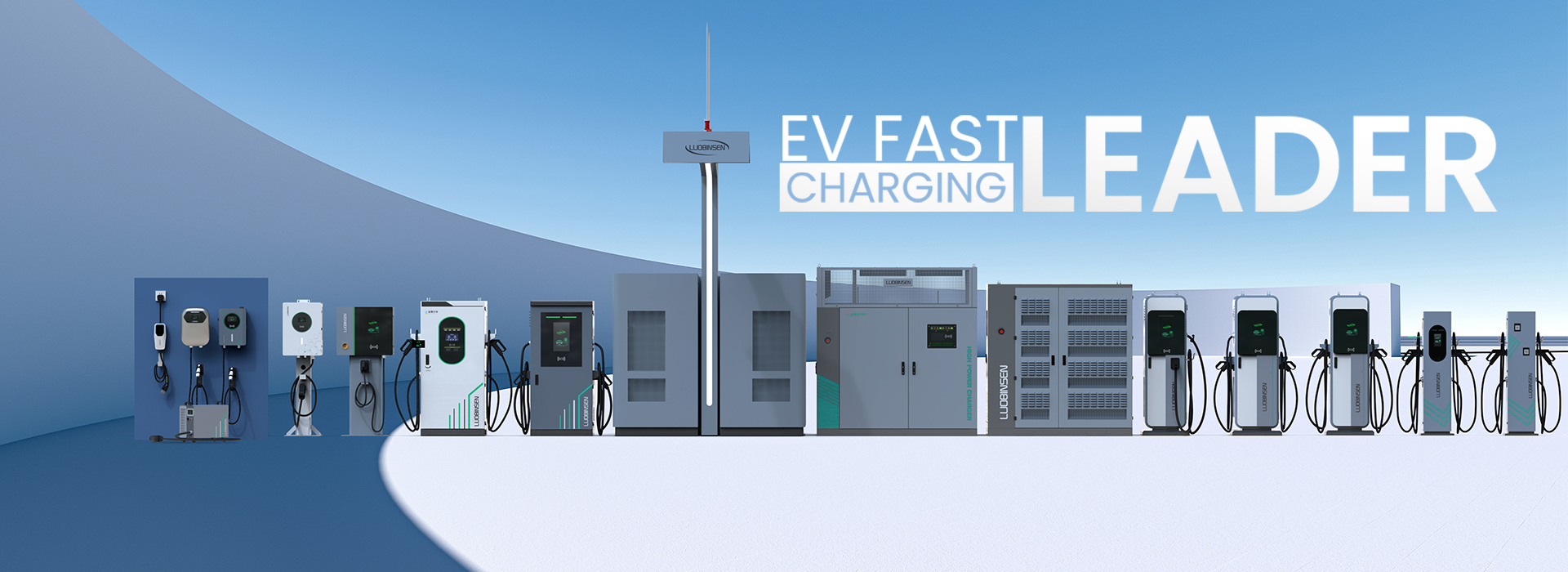
I say this as someone who has spent long mornings debugging hardware and long afternoons talking to drivers: the problem is not just hardware faults. Power converters may be fine, but poor scheduling and weak communication between edge computing nodes and the grid make simple visits feel like expeditions. So—what exactly are we missing when we design for nominal load instead of real lives? Let’s peel back the cover and look for the real leaks.
Part 2 — Where classic solutions stumble (technical, direct)
electric car power station deployments often follow a checklist: install chargers, connect to the grid, enable payment. Yet I find the checklist misses how people actually use the site. Directly stated: hardware solves only part of the problem. Power converters can deliver rated kW, but without smart load balancing and clear user flows, throughput drops and customer trust erodes. Look, it’s simpler than you think—users want predictable start-up, reliable connectors (CCS or CHAdeMO), and straightforward billing.
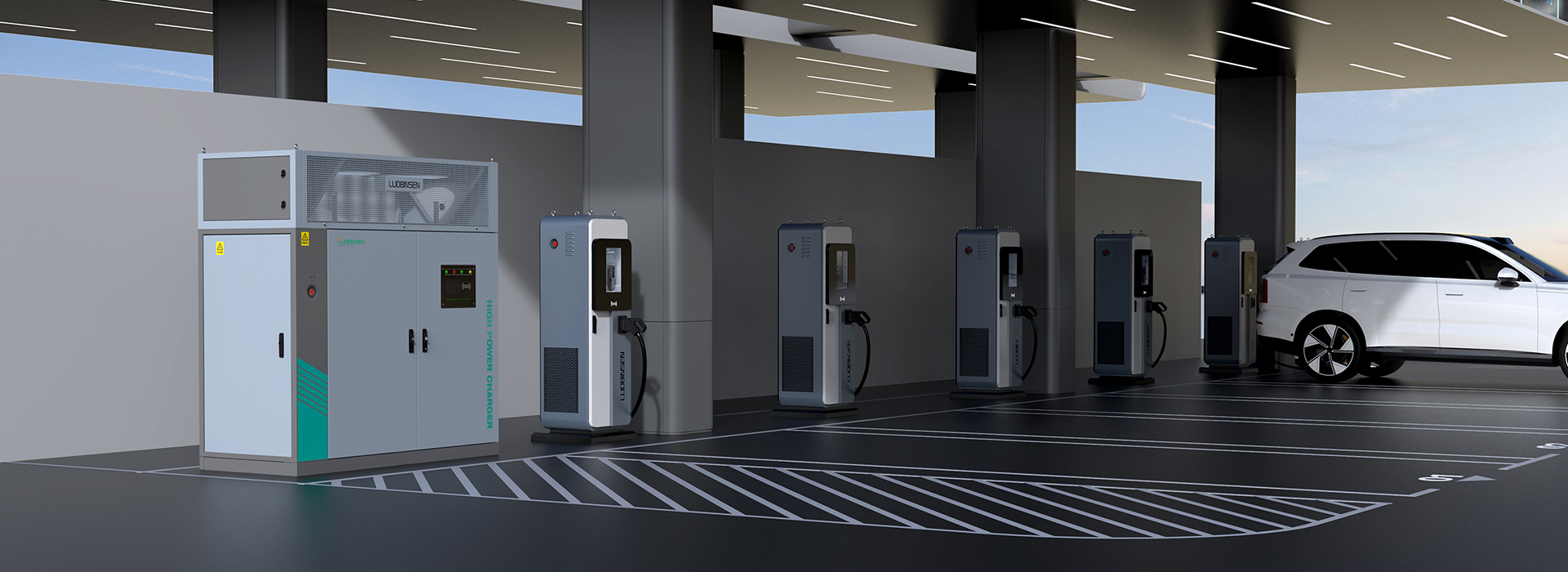
Why do these gaps matter?
From my perspective, two technical gaps keep showing up. First, telemetry is shallow: stations report uptime but not friction—things like handshake retries or connector fouling. Second, control is siloed: edge computing nodes may manage charging sessions locally but lack real-time coordination with distribution-level signals. That means a site that looks healthy on paper can behave poorly in practice. I’ve walked sites where queueing doubled during short rainstorms—funny how that works, right? The fix is not always new hardware; often it’s richer telemetry, better session arbitration, and simpler UI cues that reduce stalled sessions.
Part 3 — Looking forward: practical principles and how to judge solutions (semi-formal)
What’s next? I lean toward a blend of modest tech upgrades and clearer evaluation. First, integrate smarter control logic so chargers negotiate load rather than just draw full power. Second, push richer session data from chargers to cloud and local controllers so operators see both grid signals and user pain points. When I consult with an ev charging station manufacturer, I ask for real-world metrics, not just peak kW numbers. Those conversations change design choices—more robust connectors, clearer LED cues, and more resilient firmware updates.
Three metrics I use to evaluate options
If you need a quick checklist, here are three evaluation metrics I trust: 1) Effective availability — the percent of time a charger completes a full session without manual intervention; 2) Session latency — average handshake and start time in seconds (lower is better); 3) Interoperability score — how well the system handles different chargers, connectors, and billing networks. Use these together and you’ll spot weak designs early. And yes—those numbers matter when you scale from one site to many.
To close, I want to be plain: hardware alone won’t win customer loyalty. It’s the mix of clear user signals, smarter control (load balancing, V2G readiness where relevant), and honest metrics that builds trust. I believe operators who listen to drivers, measure the right things, and work with thoughtful partners will see faster adoption and fewer complaints. For practical partnerships and systems that match this approach, I often point teams to firms with real deployment experience — like Luobisnen.