
Quiet Corridors, Loud Signals
Have you ever noticed how the quietest corridor can hide the biggest problem? Trash can manufacturers know this better than most; a jammed lid in a lobby can ripple through a whole shift. In facility audits, as much as one-third of service delays link back to containers, liners, or lids that did not do their job (small things, big cost). So here’s the riddle: if the bin looks fine, why does the workflow still stall? The answer often sits in small details—material fatigue, weak hinges, noisy pedals—that spread out into overtime, rework, and complaints. The scene is simple. It’s 6 a.m., the crew rolls in, the first bin creaks, and the line falls behind. Data says it’s common. But the cause feels hidden.

We will place two paths side by side and see which one holds up. Let’s step into the frame and test the choices that decide a day’s pace.
Under the Lid: Where “Good Enough” Falls Apart
Where do legacy designs fail?
When you assess a rubbish bin supplier, start with the stress points, not the catalog. Look, it’s simpler than you think. Pedal arms bend because the load path is wrong. Lids slam because damping is missing or weak. Seams trap dirt because the draw angles are too tight. Traditional builds rely on low-cost hinges and thin gauge metal; they pass day-one tests, then slip by day ninety. Injection molding tolerances drift, so lids rub. Powder coating gets too thin on corners, so corrosion sneaks in—funny how that works, right? A small gap in QC turns into a big gap in uptime.
The pattern is repeatable. Cheap rivets loosen, then the pedal throw lengthens. Gaskets harden, odor control fades, and cleaning time doubles. Even the hero materials get tired: unsealed galvanized steel pits near coastal sites; soft-touch plastics scuff under carts. Add foot traffic and carts, and the cycle count climbs fast. Measure the hinge life and you see it: early play, then failure. The fix isn’t magic. It’s better geometry, stable fasteners, and coatings that survive bleach. Build the bin to the job, not the brochure. That is the quiet edge.
Next-Gen Choices: Comparing What Actually Moves the Needle
What’s Next
Now, compare principles, not slogans. Newer hinges use self-lubricating bushings to cut wear. Soft-close lids add viscous damping, so noise drops and the mechanism lasts longer. Antimicrobial powder coating reduces surface retention, which reduces clean time. Some fleets tag carts and bins with RFID and light edge computing nodes, so supervisors see usage patterns and failure hotspots in real time (no guesswork). For powered lids, efficient power converters keep sensors steady without draining batteries. When you source wholesale trash cans, you’re not just buying a shell—you’re buying an operating system for a building. The better systems age slower, and they tell you when they need help.
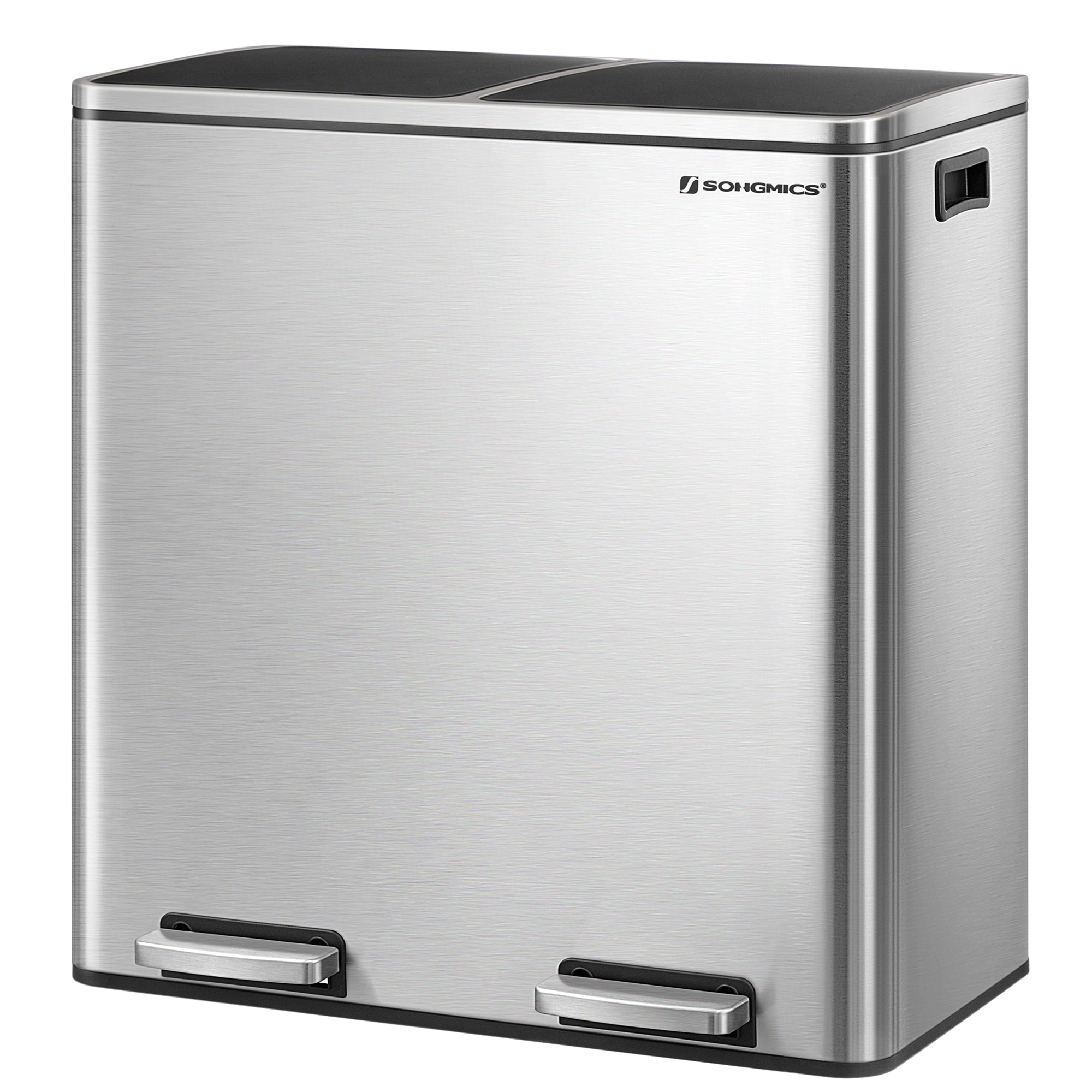
From Part 1, we saw how a quiet glitch can slow a whole shift. From Part 2, we mapped where legacy bins crack under pressure. Here’s the forward step: test bins by cycles, by cleanability, and by real-site data—then rank. Semi-flexible polymer lids with reinforced ribs beat thin metal in slam tests. Overmolded pedal pads grip better and last longer. Coatings that hit uniform thickness protect edges, not just panels. Yes, there’s a cost delta—but downtime is louder. Choose with a compass, not a price tag. And—strange but true—the best bin is often the one you forget about.
Advisory close: use three metrics to decide. One, cycle life: target 100,000+ pedal actuations with no hinge play and verified load testing. Two, sanitation index: time-to-clean under two minutes, plus coatings that resist bleach and quats. Three, total cost per year: include failures, parts, and labor, not just unit price. Keep those scores visible, compare them across your short list, and your bins will stop stealing time. For a stable benchmark and more working examples, see SONGMICS HOME B2B.