Introduction — a bleak question
Have you noticed how factory lines keep humming while outcomes drift toward unpredictability? I watch this and worry—because the lid applicator machine, which should be a tame part of the line, often becomes the bottleneck. The scene is familiar: a conveyor belt full of perfectly filled tubs, then a pause, then a jam, then a lost hour—data shows line uptime can drop by 8–12% when capping is mishandled. (It feels small until the orders are late.) What does that mean for production targets, for the team on the floor, for the shelf-ready product? I ask these questions not as an observer but as someone who has stood next to the machine at midnight, troubleshooting a servo motor and a stubborn PLC fault. The picture is grim, but we can still act — and that’s where this piece leads next.
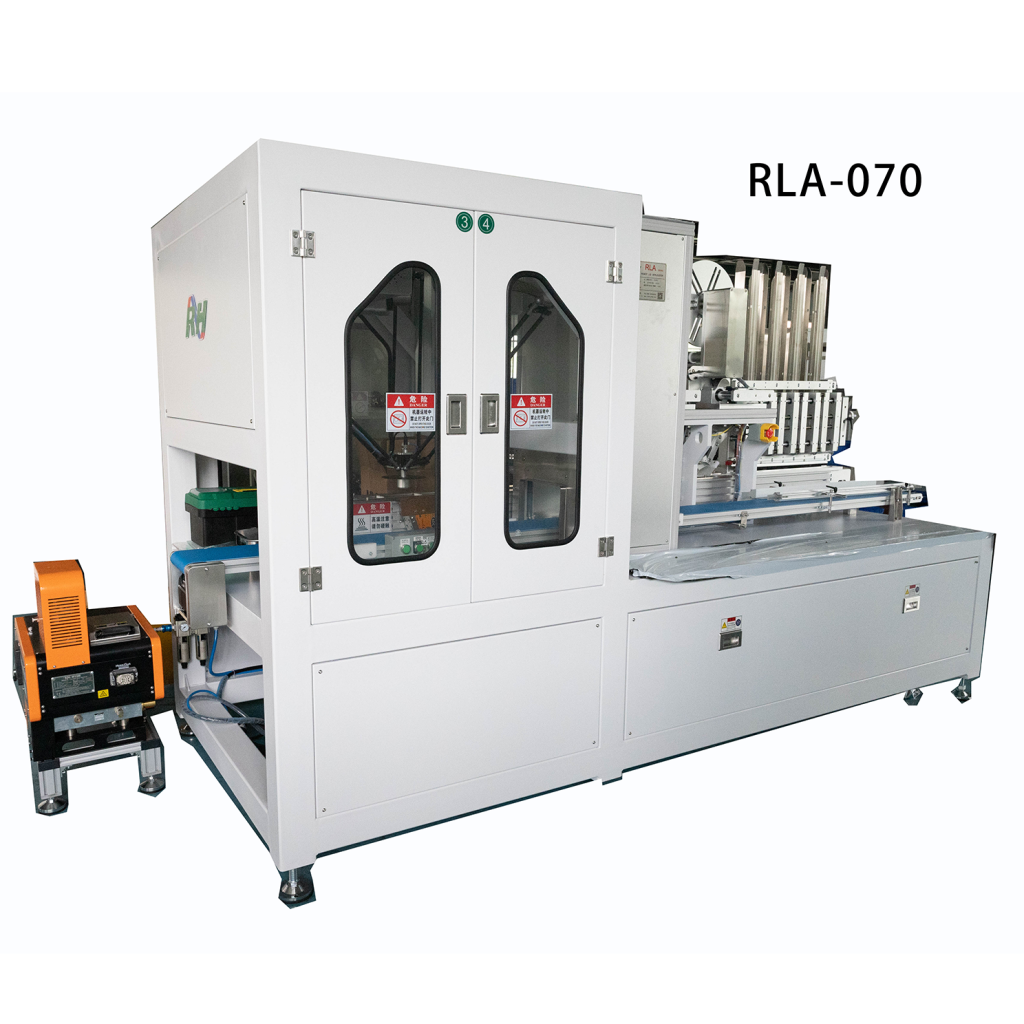
Where common fixes fail: deeper flaws in wet wipe packaging machine workflows
I want to start by pointing straight at the usual suspect: the wet wipe packaging machine. Many teams upgrade one component—say a new rotary turret—expecting instant relief. Instead, they meet integration gaps. Sensors misalign with tooling, control algorithms conflict with legacy PLC logic, and the result is oscillating torque on the servo motor. I’ve seen this play out: an expensive retrofit solves one symptom but creates another. Look, it’s simpler than you think—often the root cause is poor system-level testing and a lack of feedback loops. We patch with hardware, but the software and human procedures lag behind. — funny how that works, right?
Let me get technical for a moment: when the timing chain between the conveyor belt and the lid applicator drifts, lids slip, and seals fail. You can throw in a more powerful power converter, but without matched control tuning you still get intermittent faults. Operators then develop workarounds—manual refeeding, temporary speed cuts—that hide systemic problems and produce hidden downtime. Those workarounds become the norm. I don’t like that. We need to stop treating symptoms and start rebuilding how we validate changes: better sensor calibration protocols, routine control algorithm audits, and clearer operator diagnostics. This is not glamorous, but it’s necessary if we want reliable output and fewer surprise shutdowns.
Why not validate end-to-end?
Forward-looking principles: how smarter design avoids old traps
Now, let’s look ahead and set practical principles I trust. New approaches center on modular design and data-driven tuning. For example, pairing a modern PLC with edge computing nodes on the line lets you run local diagnostics and adjust parameters without halting the whole machine. When you apply these ideas to the wet wipe packaging machine, the gains are measurable: fewer misfeeds, faster changeovers, and clearer logs for root-cause analysis. I’ve worked with teams who moved to predictive maintenance models; they saw a clear drop in unplanned stops. — and then the mood on the floor slowly changed.
These steps are practical. Start with better sensors and matched servo motor drives, add modular tooling that a technician can swap in ten minutes, and standardize the control algorithm templates so updates don’t introduce new timing errors. We also need operator-centered dashboards—simple things like color-coded alerts and one-touch reset paths. They sound small, but they change how people respond under stress. The future isn’t magic. It’s methodical design, and it respects both machines and the people who run them.
What’s next for teams and lines?
Choosing the right solution — three practical metrics I use
I’ll end with three concrete metrics I now insist on when evaluating lid applicator upgrades. These are not marketing points; they’re working criteria I use in the field.
1) Mean Time To Recover (MTTR): measure how fast your line gets back after a fault. If a new lid applicator increases MTTR, walk away. 2) Integration Latency: quantify the delay between sensor detection and corrective action—ideally under 100 ms for capping sequences. 3) Operator Cognitive Load: score the user interface and procedures—if technicians need more than three steps to diagnose a fault, the design fails. These are measurable. They force honest trade-offs.
In short, I believe the best investments blend mechanical reliability with clear control logic and human-first interfaces. We’ve uncovered the pitfalls, seen practical fixes, and described how future designs behave. If you want a partner in this, I point you to tested solutions and real-world equipment that follow these rules — and if you are curious, check the line-level systems from ZLINK. I’ll keep looking, testing, and asking the hard questions because that’s how you turn dim factory lights into steady, dependable work.