Introduction: From Static Lines to Moving Intelligence
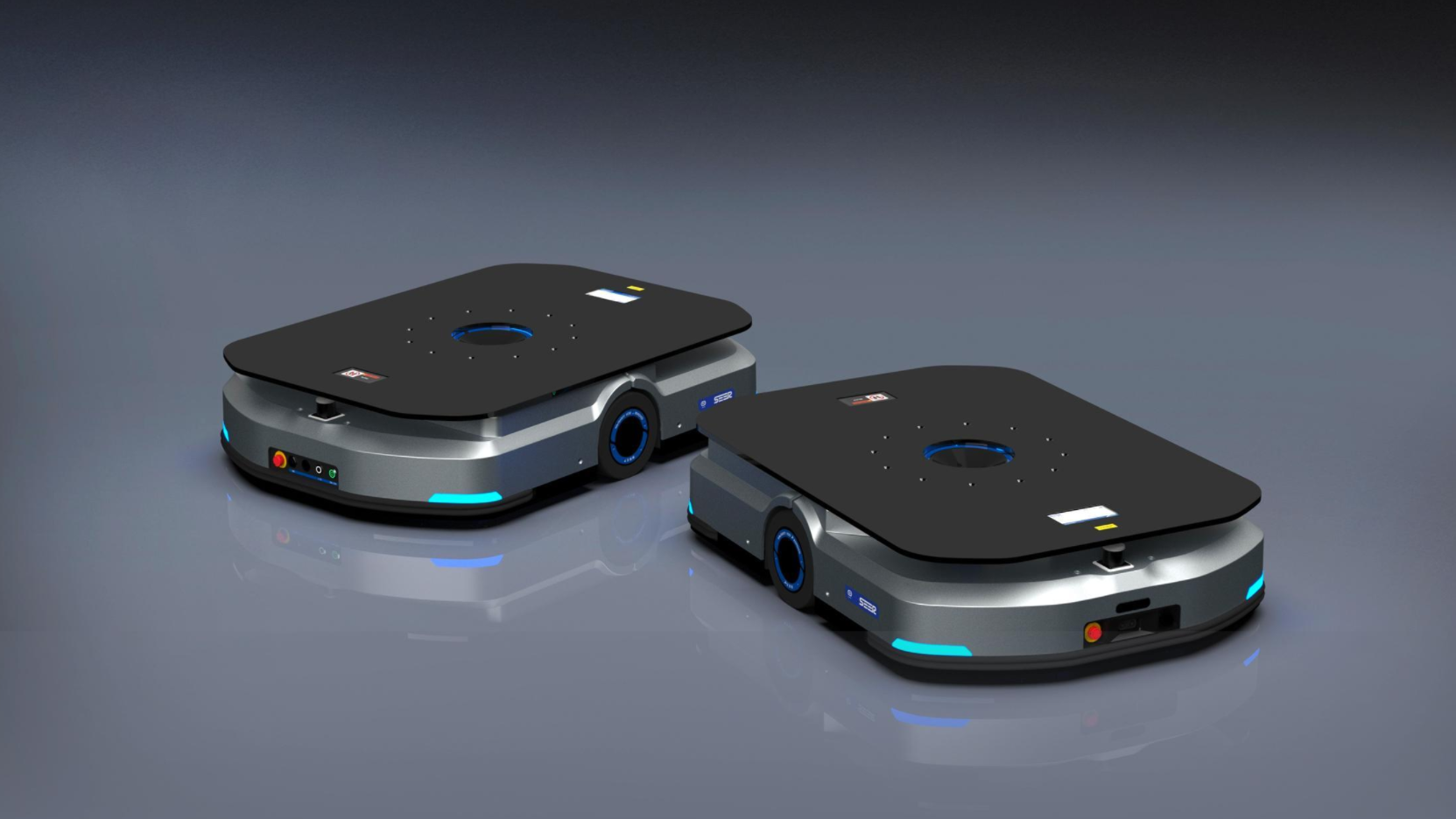
Autonomous mobility in factories is not magic; it is a system that blends sensing, planning, and control. An amr robot uses local perception and global logic to move goods, dodge risk, and learn routes. In the domain of industrial automation and robotics, this shift changes how flow, safety, and cost align. We model the floor, run SLAM for localization, fuse LiDAR and wheel odometry, and report to a fleet manager that orchestrates tasks. Edge computing nodes clean noisy data at the source (less delay, fewer surprises). Look, it’s simpler than you think—define the map, define the job, then let the system adapt.
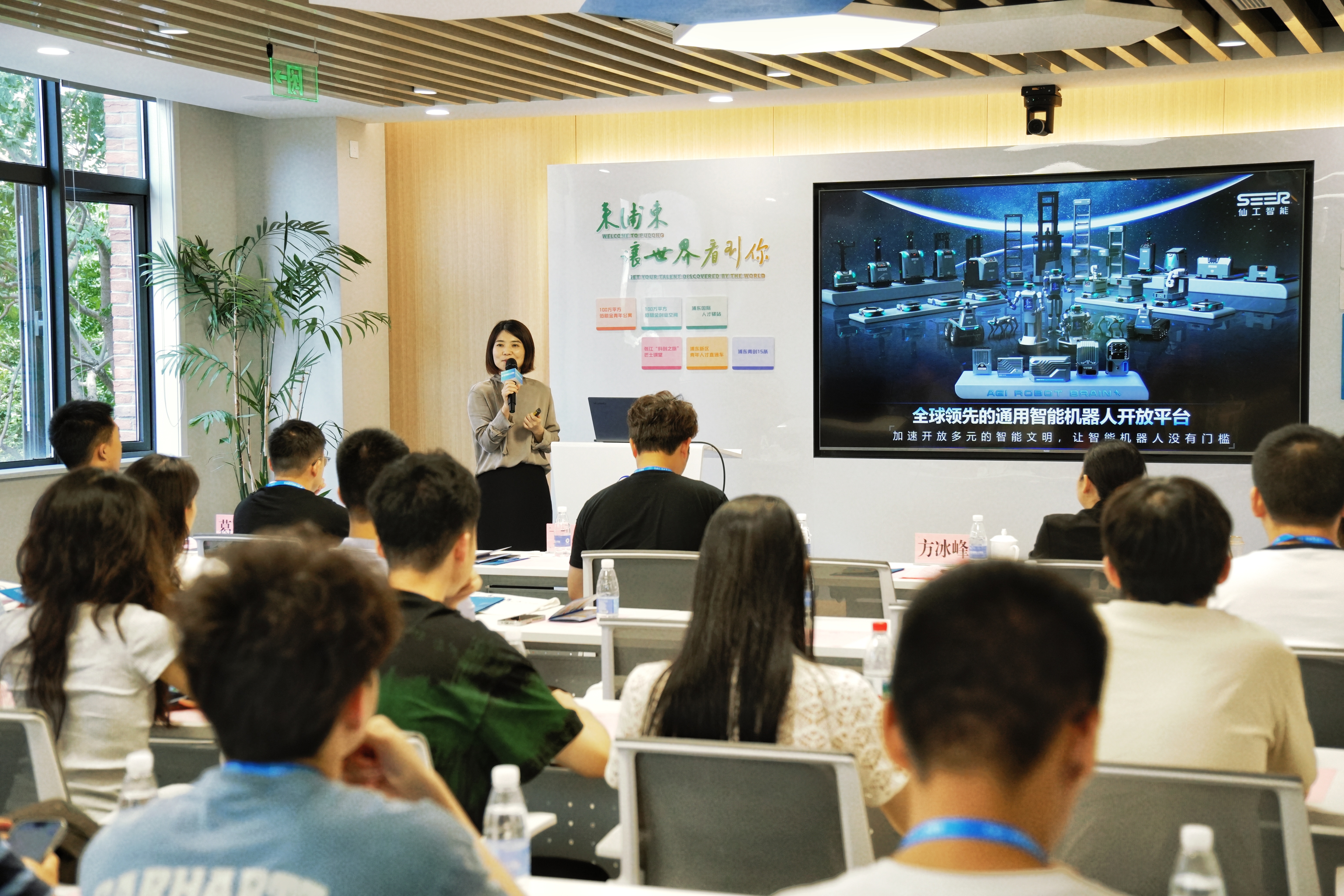
Why this matters now is plain. Demand is volatile. Layouts change. Labor is tight. Traditional lines lock you in. AMRs flex around workcells and cover the “last 50 meters” that ERP rarely sees. The aim is not just movement; it is stable cycle time under uncertainty, with safe stops and clear handoffs to WMS or MES. That is the real KPI. We will ground this claim in everyday constraints, then test how AMRs resolve them, step by step. Next, we examine where old methods break down—and why.
What problem are we actually solving?
Legacy Constraints: Why Traditional Material Flow Holds You Back
Fixed conveyors once ruled the floor. They still do in many plants. Yet, in industrial automation and robotics, rigidity is a tax on growth. Every product refresh forces retooling, new guards, and updated safety PLCs. Forklifts fill the gaps but create blind corners, human risk, and variable takt. Paper kanban looks cheap until errors pile up at inspection—funny how that works, right? With PLC-centric islands and no shared data layer, you get stranded “efficiency” that does not scale.
The hidden bill shows up in downtime, changeover, and unplanned queues. Conveyors need long shutdowns to reroute. AGCs follow tape and fail when paths get blocked. Operators become traffic managers. Integration is brittle: custom middleware to WMS/MES, a mix of MQTT and proprietary drivers, and limited compliance with VDA5050. Battery swaps break flow. Power converters and chargers are scattered, so energy use spikes at the worst times. Safety is binary—stop or go—with little nuance in obstacle avoidance. Even when a line runs fast, it runs blind. No contextual dispatch, no energy-aware routing, and no way to balance load across shifts. That is how legacy flow turns into a growth ceiling.
Where do legacy systems fall short?
New Principles: How AMRs Rewire Flow for the Next Cycle
Now, compare that past to a system built for change. In modern industrial automation and robotics, AMRs operate as a fleet, not as lone carts. The fleet manager does dynamic task allocation and load leveling. It picks routes in real time and avoids bottlenecks. SLAM keeps localization tight as racks move. Safety LiDAR and 3D cameras read the aisle and adjust speed. Edge computing nodes fuse sensor streams and push only what matters upstream—lower latency, less bandwidth. The battery management system (BMS) supports energy-aware missions, so charging aligns with takt, not the other way around.
This shift rides on modular software patterns. Think REST APIs, event buses, and standard job models like VDA5050. A WMS drop triggers a mission; the AMR checks kinematics, lift height, and aisle width; then executes with closed-loop control. When the floor changes, you update digital maps, not steel. Power usage trends feed back into dispatch. Over time, the system learns safe shortcuts and smarter staging. The benefit is compounding: faster changeovers, fewer stops, better OEE. And the beauty is in the resilience—if one unit is down, another picks the task. Less drama, more flow.
What’s Next
How to Choose Wisely
Before you commit, evaluate with three clear metrics. First, interoperability: does the AMR fleet speak your stack—WMS/MES, open APIs, VDA5050—and plug into safety PLCs without risky workarounds? Second, safety and uptime: check MTBF, functional safety levels, and redundancy in sensors (dual LiDAR, inertial fallback). Third, total cost of ownership: measure energy per mission, charger efficiency, battery cycle life, and the efficiency of power converters across loads. Weigh all three against your takt, layout churn, and mix volatility. Then run a pilot on a messy lane, not a demo aisle—because that is where truth lives. For further domain depth and tools, see SEER Robotics.