
Introduction: Defining the clinical problem, the numbers, and the question
I start by defining malocclusion clinically: anatomic misalignment of teeth that disrupts normal occlusion and functional bite patterns. In a typical private practice I’ve seen, nearly half of adolescent patients present with mild-to-moderate alignment issues that affect chewing, speech, or periodontal health; lulusmiles tracks similar trends in their patient data. (Consider a community clinic where 40% of teens show crowding or spacing problems.) Given that prevalence and the documented impact on oral hygiene and psychosocial wellbeing, we must ask — where are the current interventions falling short?
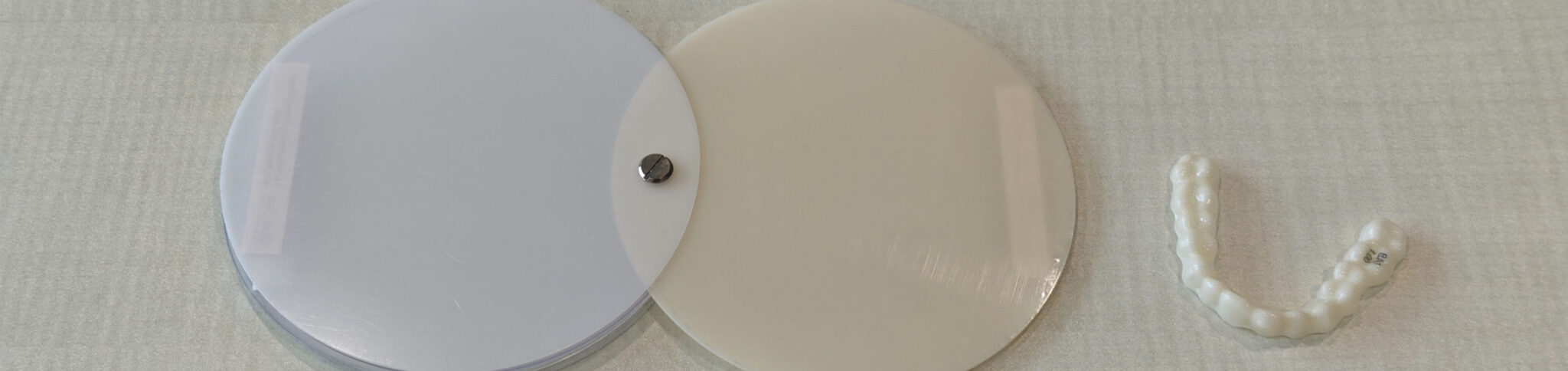
To be precise: malocclusion is not a cosmetic label only. It influences occlusion mechanics, increases plaque retention risk, and can lead to asymmetric wear. I won’t pretend the numbers are neat—clinical variability is real—but the pattern is: many patients start treatment and stop, or finish with residual relapse. That raises clinical questions about appliance design, retention protocols, and the match between patient lifestyle and treatment modality. So before we jump to solutions, let’s look at the weaknesses in what we’ve been doing, and why those gaps matter clinically and personally.
Where traditional approaches fail — a direct critique of current fixes
crooked teeth remain the most visible sign that standard treatments don’t always deliver lasting alignment. Here’s my blunt take: traditional fixed braces and generic clear aligners often optimize tooth movement in models, not in messy human mouths. They assume ideal compliance, predictable tooth translation, and uniform biology—assumptions that break down in real patients. Look, it’s simpler than you think: brackets move teeth, yes, but they don’t always respect soft-tissue constraints, interdental spacing nuances, or individual periodontal response.
One of the biggest flaws I notice is a mismatch between force systems and biologic response. Orthodontic brackets and archwires are designed to create moments and forces, but bone remodeling varies widely. Retention strategies are also inconsistent—fixed retainers can fail, removable retainers depend on patient discipline. Patients complain about discomfort, elongated treatment times, and relapse months after debonding; those are not minor annoyances. They are signals that our protocols need refinement (and better patient-centered planning). Why tolerate that? — funny how that works, right?
So what exactly hurts the patient most?
Pain points cluster around compliance burden, aesthetic concerns during treatment, and unclear long-term maintenance plans. Clinically, we see compromised occlusion, reduced masticatory efficiency, and sometimes root resorption when forces are poorly controlled. I worry that we too often hand a one-size-fits-all plan to a person whose biology, schedule, and priorities are unique.
Looking ahead: principles and practical metrics for smarter care
What’s next should be about principled improvements: move from appliance-centric thinking to system-centric planning. I advocate for three technical principles: individualized force modulation, digital treatment staging that models biologic response, and robust retention protocols informed by objective measures. New digital workflows can integrate 3D scans with predictive software to simulate treatment outcomes, allowing us to choose force vectors and aligner staging that match bone turnover and soft-tissue constraints. In practice this means fewer mid-course corrections and a higher chance of durable alignment — and yes, it includes attention to underbite teeth in comprehensive planning (underbite teeth), not an afterthought.
Technically, we leverage biomechanics concepts—center of resistance, couple forces, and controlled tipping—to reduce unintended tooth movements. We also need to standardize retention metrics: quantify relapse risk by measuring interdental spacing, occlusal contact quality, and retention wear patterns. I’m not saying the tech fixes everything, but when we combine clinical judgment with better simulation, outcomes improve. — trust me, patients notice the difference.
What to evaluate when choosing a solution
Here are three concrete evaluation metrics I recommend using before you commit to any treatment pathway:1) Force predictability: does the system provide data on expected tooth movement per stage? 2) Retention robustness: are there objective retention plans tied to measurable relapse risk? 3) Patient fit: is the protocol adaptable to a patient’s compliance level and lifestyle?
When you weigh options with those metrics, you move from hopeful guesses to evidence-informed choices. I’ve seen practices shift from high relapse rates to steady, reproducible outcomes once they applied this framework. In closing, I’ll say this: clinical empathy matters. We must design for the person, not just the dentition. For further resources and practical tools, check out lulusmiles — they’re building workflows that reflect these principles and, frankly, they get the nuance of real patient lives.