At Dusk: One Shot to Paint the Sky
A riverfront crowd gathers. The air is damp. The cue light blinks, and the music swells—any minute now. An outdoor laser projector manufacturer sits behind that moment, long before the haze machines spin up. Field logs from touring crews often show that up to 40% of outdoor projection hiccups trace back to moisture, heat soak, or unstable power. And when wind shifts, alignment drifts, and DMX/Art-Net traffic gets noisy, small flaws become big. Your show’s on the line (and you have ten minutes to go). So, what separates a reliable build from a risky bet?
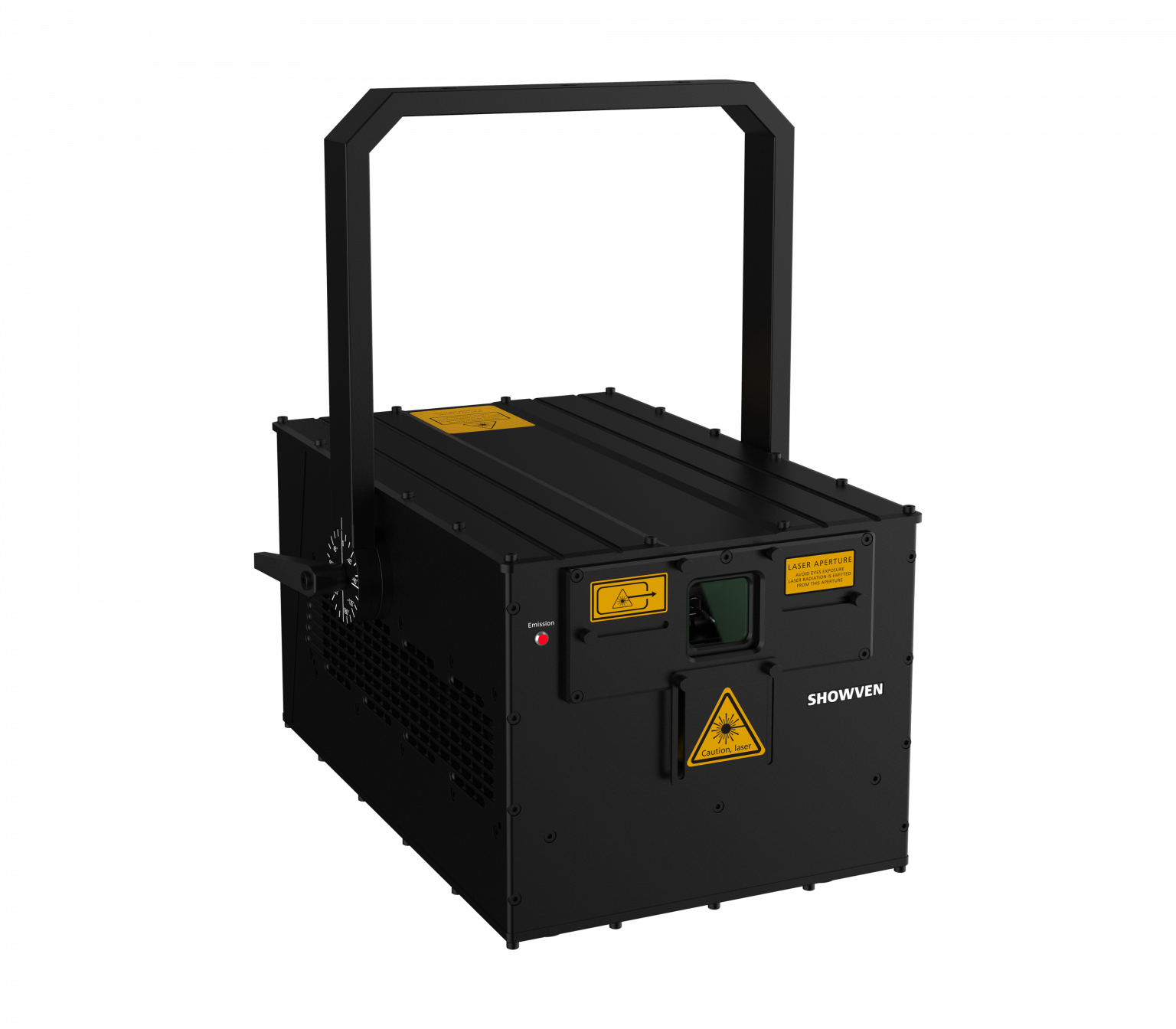
Picture a pop-up festival near the coast. Salt spray sneaks past loose gaskets. The unit throttles under thermal stress, and the power converters ripple when a generator sags. IP65 on a spec sheet is not the same as tested ingress control over months of rain, grit, and jolts. The crew needs fast mount points, sane cabling, and a service door that doesn’t fight them. The audience needs a tight beam with clean color mixing at distance. You need proof, not promises. The question is simple: how do you pick a platform that holds steady when the weather doesn’t? Let’s look at where legacy setups stumble—and what to ask next.
Under the Hood: Why Traditional Solutions Break Outside
Where Do Legacy Setups Fail?
Take a standard indoor head and force it outside, and the weak links show fast. An outdoor laser light projector must manage heat, power, and sealing as a system, not as add-ons. Older builds often use thin gaskets that compress over time, so IP65 becomes IP-iffy after a season. Thermal management lags; galvanometer scanners lose precision when heat creeps, and beam divergence widens under stress. Power converters choke on generator noise, and the laser diode driver hunts to compensate. Look, it’s simpler than you think: if the enclosure, airflow, and electronics aren’t co-designed, your uptime drops when dew forms.
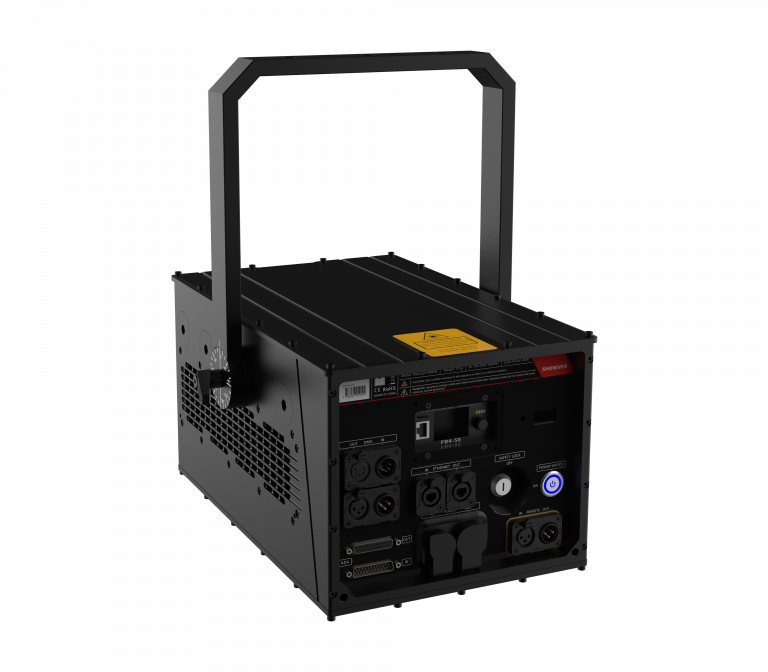
Then come the hidden pain points. Lens coatings frost under rapid temperature swings. Cables wick water into the housing. A shaky mains feed causes flicker you misread as “software lag”—funny how that works, right? Safety interlocks get bypassed in haste, and the scan-fail watchdog isn’t tuned for outdoor jitter. If your unit can’t report real-time intake temp, fan RPM, and voltage rails, you’re flying blind. True outdoor-grade means IP67 sealing validated after thermal cycling, surge protection sized for long runs, and control paths that stay stable when Wi‑Fi or Art-Net chatters. The fix is engineering, not luck.
Comparative Insight: The Next Wave vs. Yesterday’s Gear
New platforms follow different rules. They use sealed, modular optics blocks and active dehumidifiers that purge the enclosure before show time. Power paths include high-PFC converters and surge absorbers designed for 90–277 VAC lines, so generators don’t scare them. Control logic shifts to FPGA-based scan-fail protection with IMU-assisted stabilization, so motion or wind doesn’t ruin geometry. Edge computing nodes crunch telemetry on-site, predicting fan failures before they happen. The result in an outdoor laser light show is simple: tighter beams, cleaner colors, fewer mid-show resets—and crews who go home on time.
What’s Next
If you’re choosing a maker, anchor your choice to three metrics. First, durability proofs: ask for IP and salt-fog test data, thermal-cycle counts, and mean time between failures under rain and dust—on real rigs, not just lab benches. Second, control and safety stack: insist on certified scan-fail response, robust interlock chains, and repeatable beam attenuation maps that comply with local rules. Third, power and telemetry: wide-range PSUs with proper surge headroom, clean EMI performance, and remote logs you can pull after the show. Small signals add up to trust—funny how that works, right? Do this, and you’ll get fewer surprises, tighter cues, and cleaner nights in the field. For deeper engineering details and practical references, see Showven Laser.