A Hall Full of Voices, One Clear Promise
I once stood at the back of a buzzing hall as chairs filled like tidewater. The interpretation system was the quiet star everyone hoped would hold the moment. Crew hands moved fast, unboxing a simultaneous interpretation system, checking channels, and whispering checks into headsets. Twenty languages. Three thousand seats. Minutes to go. Could meaning keep pace with the people, or would sound drift and break like mist? (We’ve all felt that hush before a keynote.) The stakes are clear: hearts want connection; minds need precision.
Here’s the bold truth. Audio is not enough; presence matters. Voice must reach the ear as intent, not just sound. And yet—many shows still rely on patched rigs and guesswork. Why? Legacy habits, cables in knots, and hope. Let’s move past that and compare the paths that actually work. On we go, toward the next layer.
Where Tradition Trips: Hidden Flaws in Old Interpretation Chains
Why do old rigs stumble?
Let’s strip the romance for a moment and go technical. Traditional systems stack gear like blocks: booth mic to mixer, mixer to codec, codec to RF, and back again. Each hop eats the latency budget. Each cable adds failure risk. RF interference creeps in when the room is dense. Without proper QoS and error correction, dropouts bloom—funny how that works, right? Meanwhile, interpreters fight fatigue from jitter and level shifts. Listeners ride the volume knob. Look, it’s simpler than you think: too many links, too little control.
Classic add‑ons try to cope. A spare transmitter here, a passive splitter there. But redundancy topology is often ad hoc, not engineered. One power bar fails, and a whole chain goes dark. The codec runs at a harsh bit rate, so sibilants smear. Edge computing nodes? Not in the picture. DSP profiles? Fixed and stubborn. And when RF spectrum gets crowded, channel mapping turns into guesswork under pressure—and pressure is the rule in live events. Old rigs can work, yes. But they ask you to gamble when you need guarantees.
Next-Gen Paths: Principles and Practical Wins
What’s Next
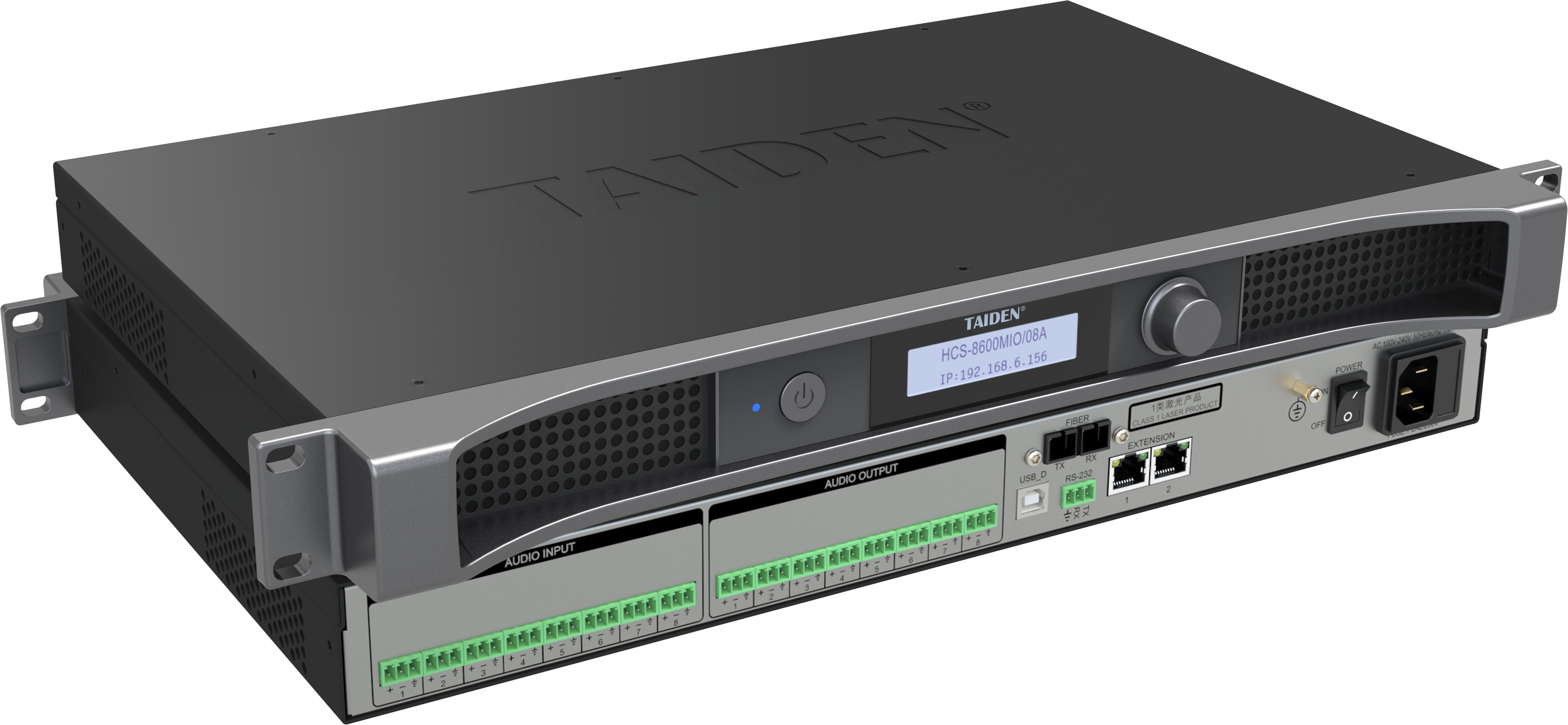
Modern design flips the stack. Instead of a long, leaky chain, you get integrated stages with a single brain. Think adaptive codecs tuned to voice, not music. Think smart beamforming on microphones that cut room wash. Digital signal processors track loudness in real time. Packets move with tagged priority, so speech outruns noise. A well-built conference translation device can merge booth capture, routing, and distribution under tight control—one interface, one clock, a clean path. Fewer hops. Smaller latency. Better stamina for the interpreter and the listener.
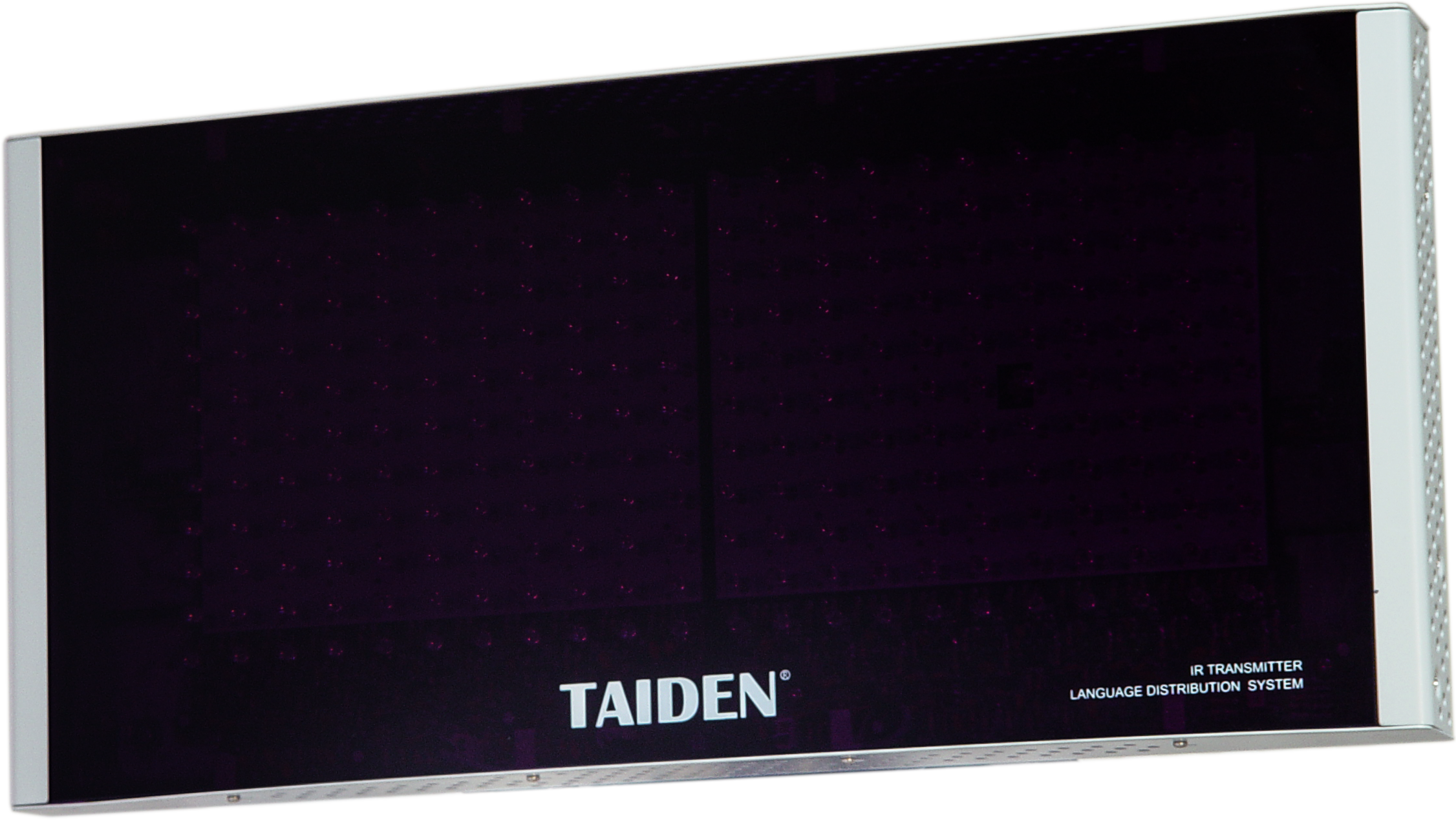
This is a comparative shift, not just a spec bump. Instead of chasing RF gremlins, you shape the environment. IR channels handle dense seating without bleed. Network links carry audio with measured redundancy—N+1 power converters, dual network paths, fast failover. You trade panic for telemetry. You trade “hope it holds” for “we can see the metrics.” Advisory close, then: if you must choose, watch three signals. 1) Latency budget under 150 ms end‑to‑end, even with full booths. 2) Channel integrity with BER under 1e‑5 and packet loss below 0.1%, verified live. 3) Redundancy topology that includes N+1 power, dual switches, and clear rollback—because the show will test you, and it won’t warn you first. In practice, that’s how you keep meaning intact— and yet, we settle for less. Let’s not. For deeper, standards‑driven options, you’ll find thoughtful engineering at TAIDEN.

